
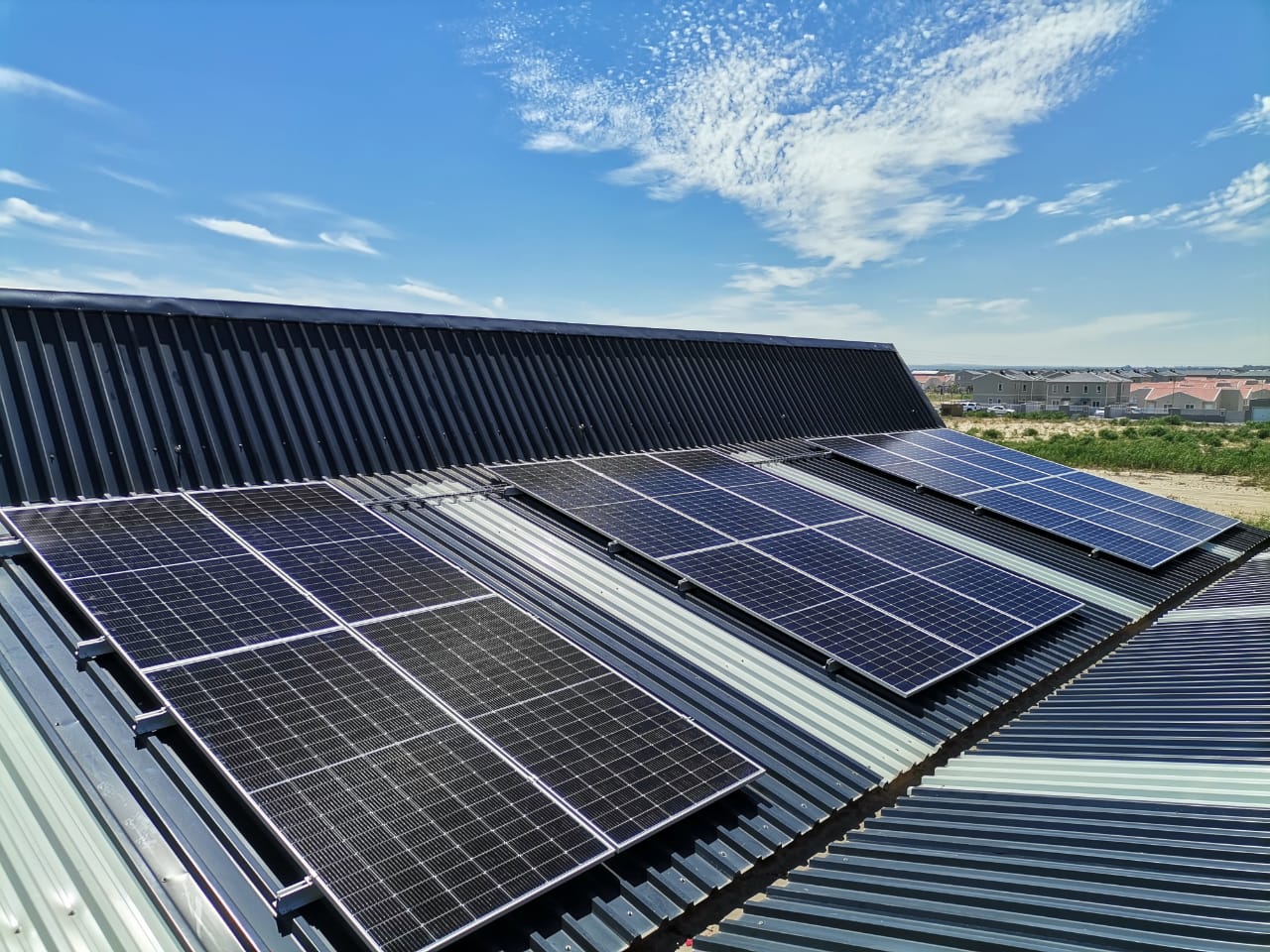
The numbers don’t lie: South Africa’s residential solar market grew by 342% between 2019 and 2023, according to a 2024 Council for Scientific and Industrial Research (CSIR) report. That explosive growth isn’t driven by environmental activism or government incentives — it’s raw survival instinct. When Eskom implemented Stage 6 load-shedding for a record 6,947 hours in 2023 alone, businesses shuttered, food spoiled, and security systems went dark. South Africans stopped asking if they should install solar and started asking which system would keep the lights on.
We’re now witnessing the fastest energy transition in the country’s history, and it’s happening from the bottom up. By mid-2025, over 4,000 MW of rooftop solar capacity has been installed across residential and commercial properties — enough to power roughly 1.6 million homes. What began as a crisis response has matured into a permanent infrastructure shift, with hybrid solar systems (combining panels, batteries, and grid backup) replacing traditional grid-only setups as the new standard for South African homes and businesses.
From Emergency Generator to Strategic Asset: What Changed in 2025
Five years ago, solar was still viewed as a luxury — something wine estates and eco-lodges installed for branding. Today, it’s the baseline for property valuations in suburbs from Stellenbosch to Sandton. Estate agents now list “solar-ready” or “off-grid capable” as standard property features, and banks have begun offering preferential bond rates for homes with registered Solar Photovoltaic (PV) systems.
The 2025 shift isn’t just about volume — it’s about sophistication. Early adopters cobbled together basic grid-tied systems that went dead during outages (defeating the entire purpose). Modern installations are overwhelmingly hybrid: panels feed battery storage first, supply the home second, and export excess to the grid third. According to the South African Photovoltaic Industry Association (SAPVIA), 78% of new residential installations in Q1 2025 included battery storage, compared to just 31% in 2020.
What’s driving this? Three factors converged:
Battery prices dropped 68% since 2020 (Bloomberg New Energy Finance data), making lithium-ion storage affordable for middle-income households. A 10 kWh battery that cost R85,000 in 2020 now retails around R27,000.
SSEG registration streamlined. Municipalities like Cape Town and Stellenbosch cut approval times from 6–8 months to under 30 days, removing the bureaucratic barrier that once made grid-tied systems impractical.
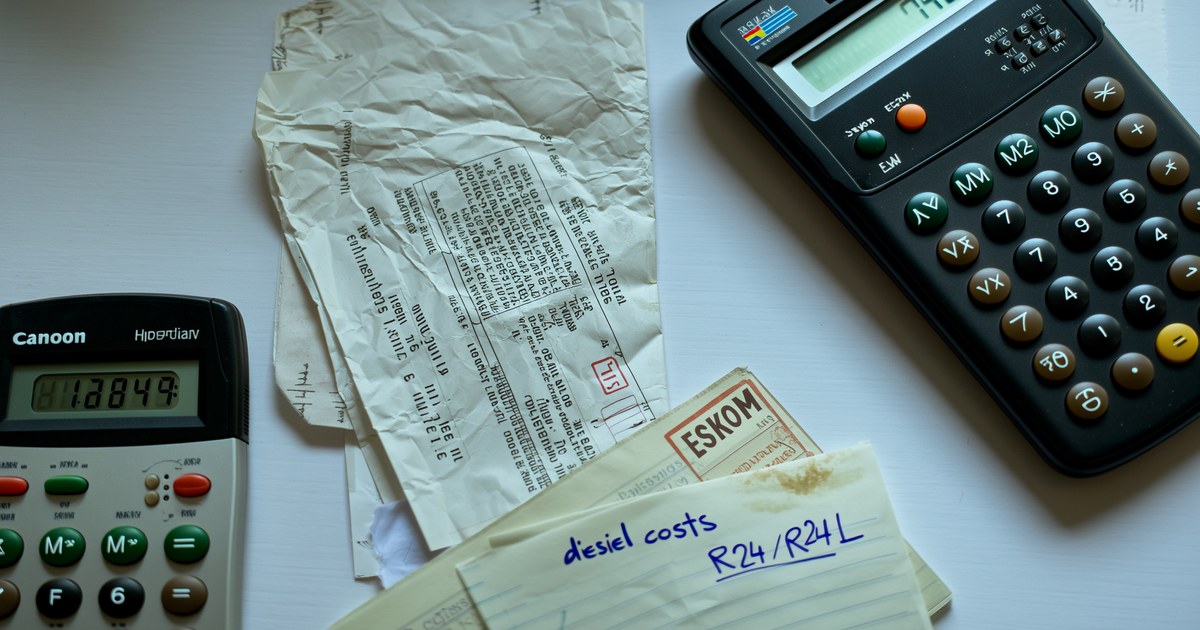
Diesel costs became unsustainable. Running a 10 kVA generator during Stage 4 load-shedding costs approximately R450 per day. Over a year, that’s R164,250 — more than the cost of a quality 8 kW solar system with battery backup.
The Hybrid Advantage: Why South Africans Stopped Choosing Between Grid and Off-Grid
The old binary — stay on Eskom or go completely off-grid — has dissolved. Hybrid systems offer the best of both worlds: energy independence during outages, cost savings through self-consumption, and grid access when solar production drops (winter mornings, extended rainy periods).
Here’s how a typical 2025 hybrid setup works for a Western Cape family of four:
- 8 kW solar array (20–24 panels) generates 35–45 kWh daily in summer, 20–28 kWh in winter
- 10–15 kWh battery bank stores excess for evening/night use
- Hybrid inverter intelligently switches between solar, battery, and grid based on availability and cost
- Net metering or feed-in tariff (where available) credits surplus energy back to the municipality
This configuration typically covers 80–95% of household consumption year-round, slashing monthly bills from R2,500–R3,000 to R300–R600. During load-shedding, the home runs seamlessly on stored solar — no generator noise, no diesel runs, no manual switchovers.
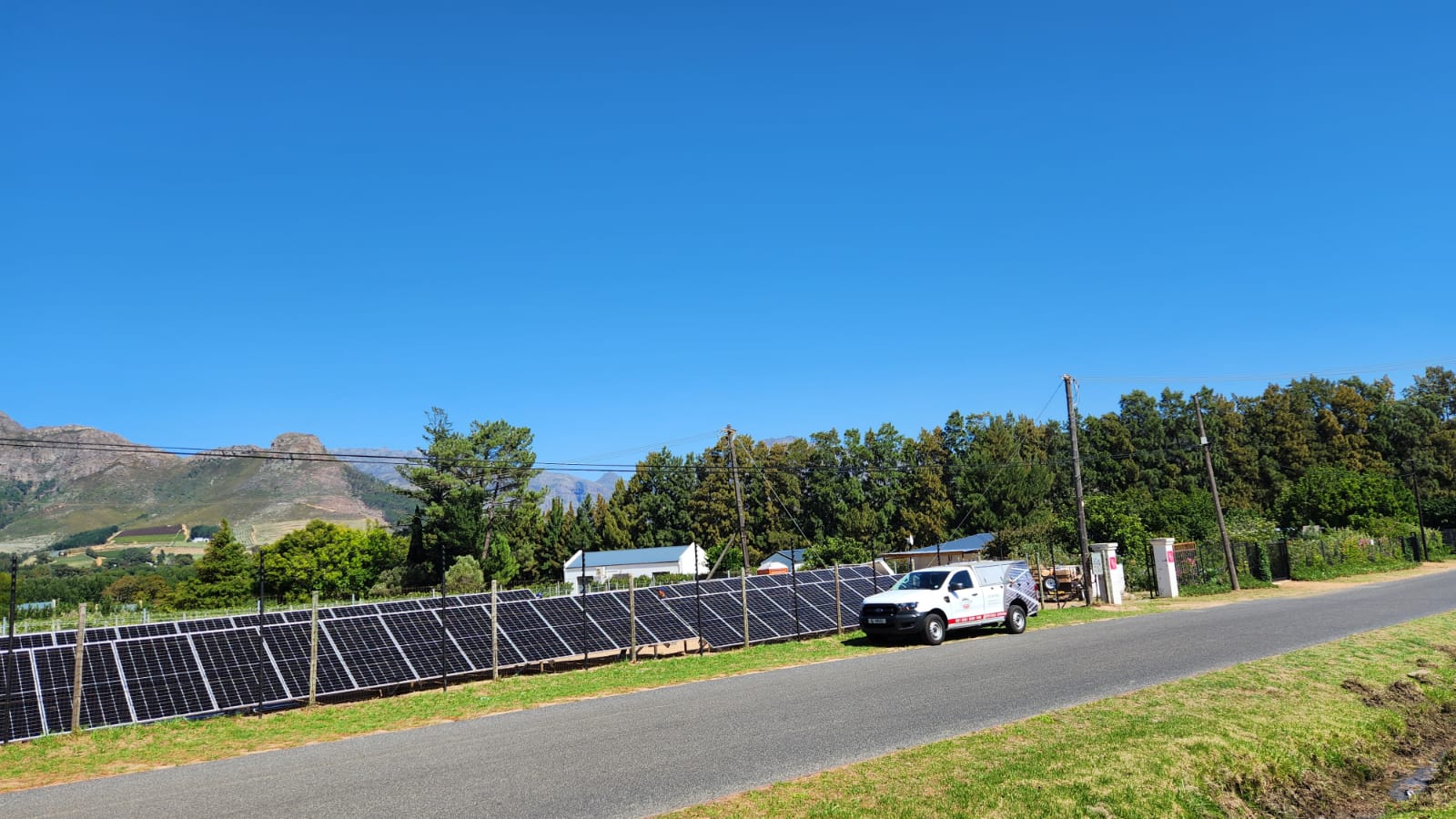
For businesses, the calculus is even more compelling. A Paarl-based wine cellar we equipped in early 2024 eliminated R38,000 in monthly diesel costs by installing a 40 kW hybrid system. Their payback period? 18 months. Compare that to the 5–7 year paybacks common in 2019, before load-shedding became chronic.
What International Markets Teach Us (And Where SA Leads)
While South Africa’s solar boom was crisis-driven, it’s put us ahead of the curve in resilience engineering. Germany and Australia have higher per-capita solar penetration, but their grids are stable — systems there prioritise cost savings and carbon reduction, not blackout survival. South African installers have become world-class at designing for intermittent grid availability, a skill set now being exported to other African nations and even parts of Eastern Europe facing energy insecurity.
One breakthrough gaining traction here: vehicle-to-home (V2H) technology. Electric vehicles like the BYD Atto 3 and new Volvo EX30 can function as mobile batteries, feeding stored energy back into home systems during outages. A 2025 study by the International Energy Agency projects that by 2030, EVs will provide 20% of grid-stabilisation capacity in markets with high solar adoption — and South Africa’s dual pressures (load-shedding + rising petrol costs) make us an ideal testbed.
We’re already seeing early adopters in Cape Town pair rooftop solar with EVs, creating closed-loop energy systems: panels charge the car, the car powers the house at night, and surplus feeds back to the grid for credits. It’s the ultimate form of energy independence.
The 2025 Reality Check: What You Actually Need
Not every home needs a 15 kW system with three Powerwalls. Right-sizing remains critical. For most Western Cape households:
- 4–6 kW solar + 10 kWh battery covers essential loads (lights, fridge, Wi-Fi, TV) during outages and reduces bills by 60–70%
- 8–10 kW solar + 15 kWh battery achieves near-total energy independence for a 3–4 bedroom home
- Farms and businesses require custom load assessments — irrigation pumps, cold rooms, and machinery create unique demand profiles
Strict compliance remains non-negotiable. All Winelands Solar installations include SSEG registration (where applicable), COC sign-offs, and full municipal approval. Cutting corners on permits might save R5,000 upfront, but it voids insurance, blocks property sales, and risks municipal disconnection. See our solar products and system types for the full breakdown of what we install.
Your Next Step Toward Energy Independence
Load-shedding forced South Africa’s hand, but the result is a more resilient, decentralised energy future. Whether you’re tired of R4,000 monthly electricity bills, need to protect business operations from outages, or simply want to future-proof your property value, hybrid solar is no longer experimental — it’s proven infrastructure.
Ready to join the 4,000 MW revolution? Winelands Solar’s 10 years of Western Cape experience means we design for your specific consumption patterns, roof orientation, and budget — not cookie-cutter packages. Get your free site assessment and see exactly how much you’ll save. With 1-day installations and 25-year warranties, the only question is: why wait for the next Stage 6?
Sources
- Council for Scientific and Industrial Research (CSIR). (2024). Statistics of South Africa’s Solar PV Market. csir.co.za/statistics-south-africas-solar-pv-market
- South African Photovoltaic Industry Association (SAPVIA). (2025). Q1 2025 Market Report.
- Bloomberg New Energy Finance. (2024). Lithium-Ion Battery Price Survey.
- International Energy Agency (IEA). (2025). Global EV Outlook 2025. iea.org/reports/global-ev-outlook-2025