
Powering Farm Operations:
Hybrid agricultural system
- Irrigation Systems: Solar-powered pumps can draw water from wells, rivers, or reservoirs, reducing the dependency on grid electricity or diesel generators.
- Lighting: Solar energy can provide lighting for barns, greenhouses, and outdoor areas, enhancing operational efficiency and security.
- Electric Fencing: Solar panels can power electric fences, ensuring animals and harvest livestock is securely contained without the need for continuous grid power.
- Ventilation and Cooling: Solar energy can be used to power fans and cooling systems, essential for animal farming and storage of perishable goods.
Renewable Energy Production:
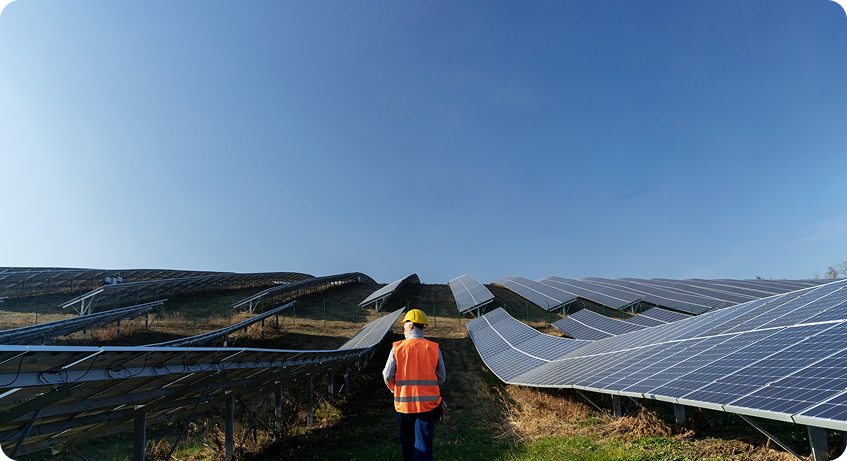
- Solar Photovoltaic (PV) Panels: Farms can install PV panels on rooftops or as ground-mounted systems to generate electricity for on-site use or to sell back to the grid
- Solar Water Heaters: These systems can provide hot water for cleaning, processing, and other farm needs, reducing reliance on traditional heating methods.
Agrovoltaics:
- This innovative approach involves the dual use of land for both agriculture and solar power generation. Solar panels are installed above crops, allowing for simultaneous farming and energy production. This can be particularly beneficial for crops that thrive in partial shade.
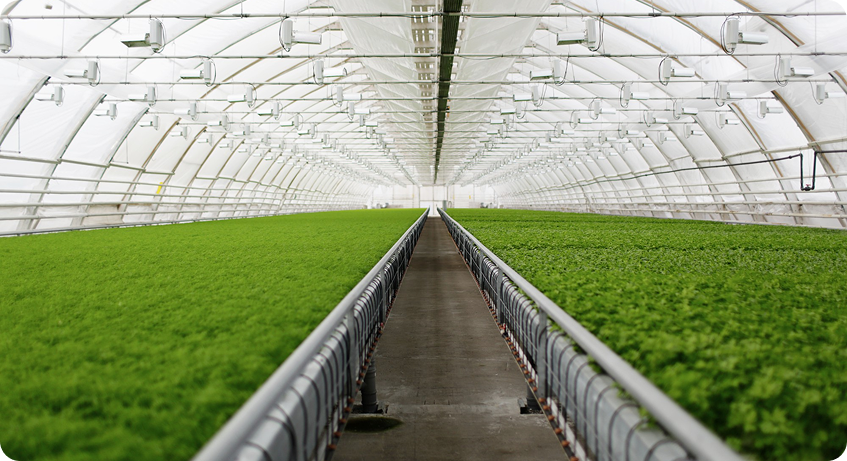
Greenhouse Heating and Cooling:
- Solar panels can power heating systems during colder months and cooling systems in the summer, creating optimal growing conditions for crops year-round
Solar Drying:
- Solar-powered drying systems can efficiently dehydrate crops, fruits, and herbs, preserving them for longer periods without relying on fossil fuels.
Powering Farm Operations:
Cost Savings:
- Reduced energy bills and lower operational costs through the use of free solar energy.
- Potential income from selling excess electricity back to the grid.
Energy Independence:
- Reduced reliance on fluctuating energy prices and the grid, providing more predictable and stable energy costs.
Sustainability and Environmental Impact:
- Decreased carbon footprint and reduced greenhouse gas emissions.
- Promotes sustainable farming practices and aligns with growing consumer demand for environmentally responsible products.
Government Incentives and Grants:
- Availability of subsidies, tax credits, and grants for renewable energy installations can offset initial investment costs.
Enhanced Resilience:
- Solar power systems can provide reliable energy during grid outages, ensuring critical farm operations continue uninterrupted.
Considerations for Implementing Solar Energy
Initial Costs and ROI:
- While the cost of solar technology has decreased, the initial investment can still be significant. Farmers should consider the long-term return on investment and potential financing options.
Initial Costs and ROI:
- While the cost of solar technology has decreased, the initial investment can still be significant. Farmers should consider the long-term return on investment and potential financing options.
Site Suitability:
- Assessing the suitability of the farm location for solar installations, including sunlight availability, shading issues, and space for mounting panels.
Maintenance
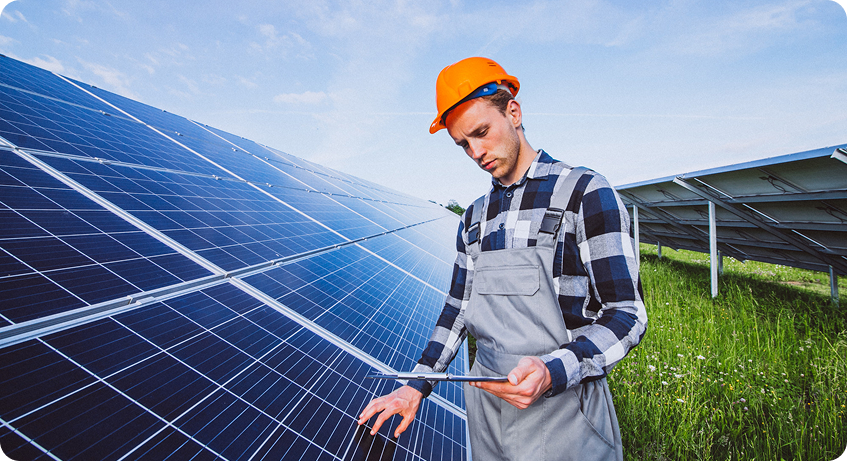
- Solar systems require minimal maintenance, but regular checks and cleaning can maximize efficiency and lifespan.
Integration with Existing Systems:
- Compatibility with current farm operations and potential upgrades to optimize the benefits of solar energy.
Successful Examples
- Vineyards: Many vineyards use solar panels to power irrigation systems and wineries, reducing costs and promoting sustainable wine production.
- Dairy Farms: Solar energy is used to power milking machines and cooling systems, significantly lowering electricity expenses.
- Crop Farms: Solar-powered water pumps help small farmers irrigate their fields more effectively, improving crop yields and reducing costs.
Future Trends
- Advances in Solar Technology: Innovations such as bifacial panels, flexible solar cells, and integrated solar tiles are expanding the possibilities for solar energy in farming.
- Energy Storage Solutions: Enhanced battery storage systems will allow farmers to store excess solar power for use during non-sunny periods, further increasing energy independence.
- Smart Farming Integration: Combining solar energy with smart farming technologies (IoT, sensors, automation) can optimize energy usage and improve overall farm management.
By harnessing the power of the sun, farmers can achieve greater efficiency, sustainability, and profitability, making solar energy an essential component of modern agriculture.
If you have any specific questions or need more detailed information on a particular aspect of solar energy in farming, feel free to ask!