
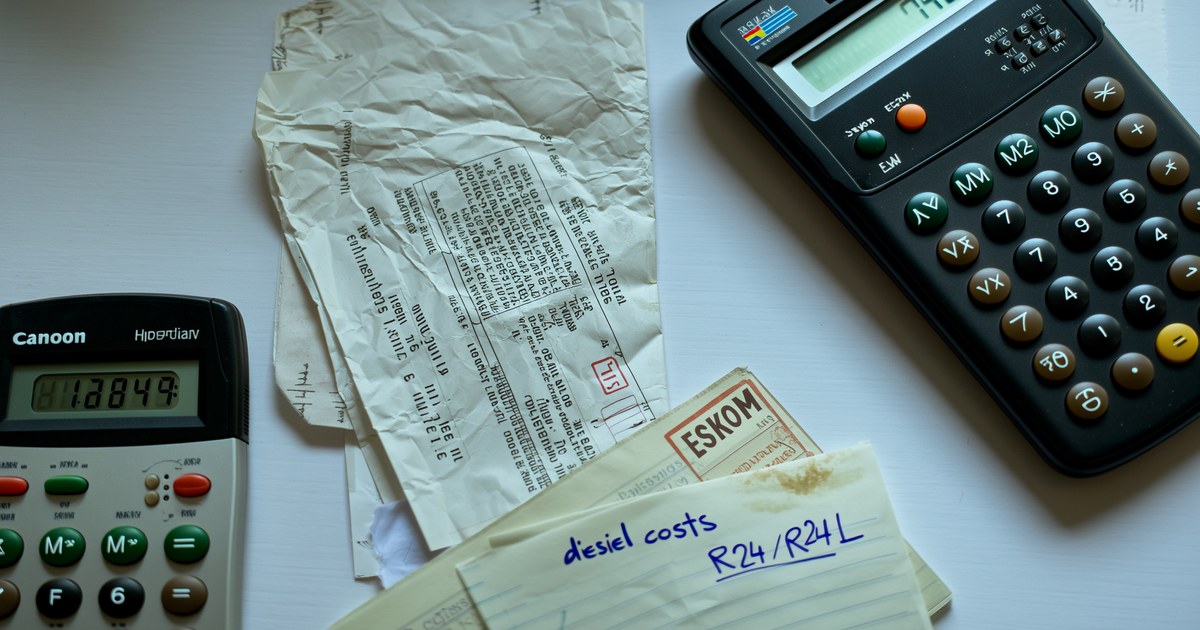
Eskom’s latest tariff hike has landed. Again. For the average South African household, that’s another increase added to an already strained monthly budget – and for businesses, the impact is even sharper. When you factor in loadshedding’s unpredictable return, rising diesel costs, and the hidden expenses of damaged appliances and lost productivity, the question is no longer “Can I afford solar?” – it’s “Can I afford not to?”
Let’s break down what staying grid-dependent really costs you in 2026, why off-grid and hybrid solar systems are rapidly becoming the smarter financial move, and how international innovation is making energy independence more accessible than ever before.
The Hidden Costs of Grid Dependency You’re Already Paying
Most South Africans only see the Eskom bill at month-end. But the true cost of grid reliance runs far deeper.
Loadshedding losses don’t show up on your statement. Many businesses report significant annual losses due to downtime, spoiled stock, and generator fuel costs during Stage 4-6 outages. For families, it’s the cumulative toll: spoiled groceries, damaged electronics from power surges, and the ongoing expense of backup batteries, inverters, and petrol for generators that were only meant to be temporary solutions.
Then there’s tariff volatility. Eskom’s increases have compounded sharply over recent years, with no end in sight. For households using substantial monthly electricity, that translates to thousands of rands in additional annual costs, every year, indefinitely.
And let’s not forget opportunity cost. Every rand spent on escalating electricity bills is a rand not invested in an asset that pays you back. Solar systems, by contrast, deliver measurable ROI – often recouping installation costs within 4-6 years and continuing to generate savings for 25+ years.
How Solar Slashes Your Electricity Bill – And Keeps It Low
Switching to solar isn’t just about avoiding Eskom’s next price hike. It’s about locking in predictable, drastically lower energy costs for decades.
Hybrid systems – the most popular choice for South African homes and businesses – allow you to draw from solar during the day, store excess energy in batteries, and only pull from the grid when absolutely necessary. The result? Electricity bill reductions of 60-80% for most households, with some achieving near-total grid independence.
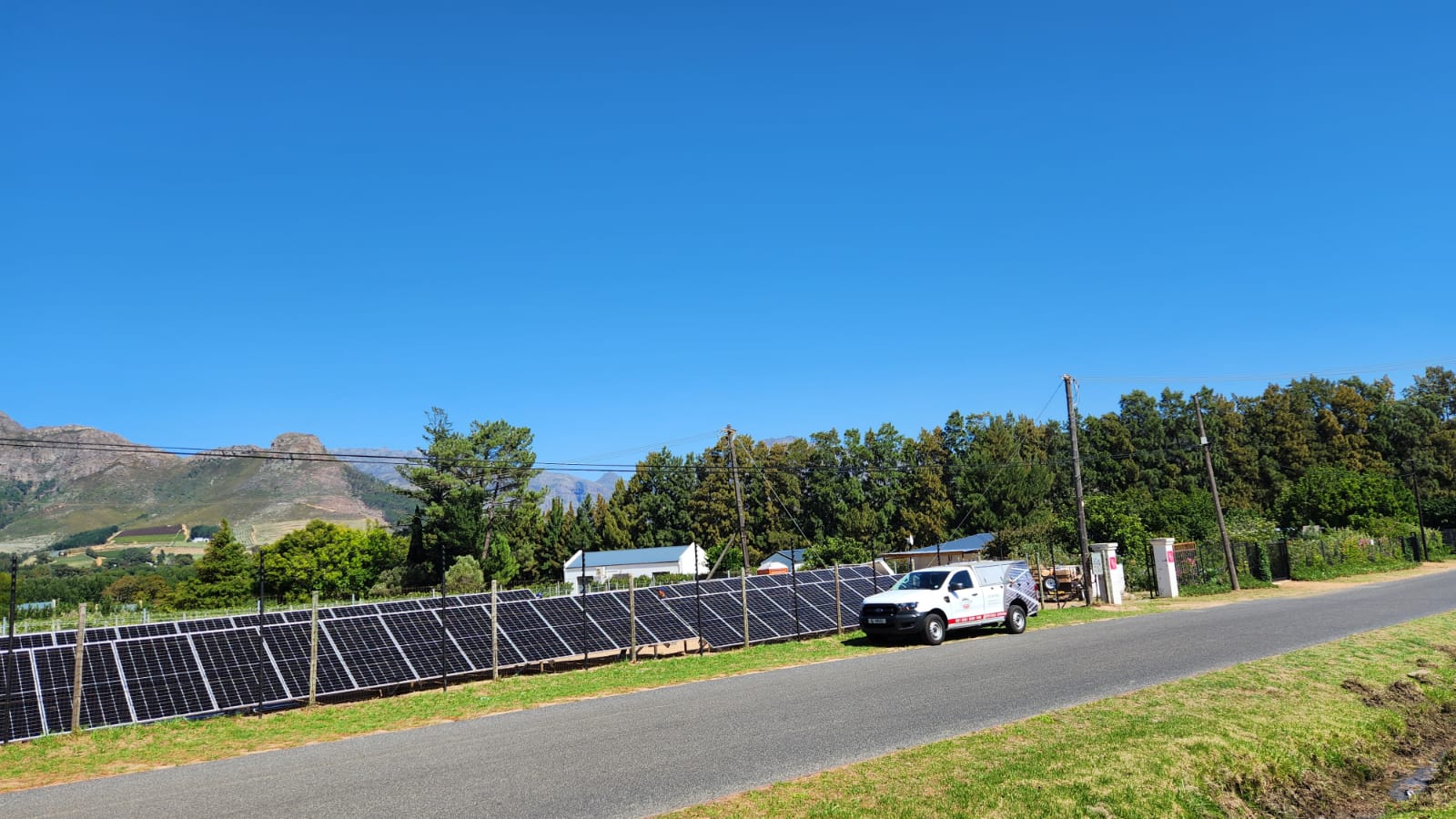
Picture this: a typical Stellenbosch family home using moderate monthly electricity. At current Eskom rates, that represents a substantial monthly and annual expense. A properly sized solar system with battery storage can cover the majority of that usage, dropping the bill dramatically – a saving of tens of thousands of rands per year. Over 10 years, that’s hundreds of thousands back in your pocket, even before accounting for future tariff increases.
For businesses, the numbers are even more compelling. Commercial solar installations often qualify for renewable energy tax incentives, allowing companies to deduct a significant portion of costs from taxable income. Combined with demand charge reductions and improved energy security, payback periods for commercial solar frequently drop below four years.
Off-Grid Solar: True Energy Independence Is Within Reach
Going fully off-grid used to mean compromise – limited power, expensive battery banks, and constant system monitoring. Not anymore.
Thanks to breakthroughs in lithium iron phosphate (LiFePO4) battery technology, off-grid systems now offer the same reliability and convenience as grid power, without the Eskom dependency. Modern LiFePO4 batteries last up to 6,000 cycles (compared to 2,000-3,000 for older lead-acid models), charge faster, and require virtually no maintenance.
Internationally, companies like Tesla and BYD are driving costs down while improving energy density. In South Africa, local suppliers have followed suit – battery costs per kWh have dropped substantially in recent years, making off-grid setups financially viable for farms, guesthouses, and remote properties that were previously reliant on diesel generators.
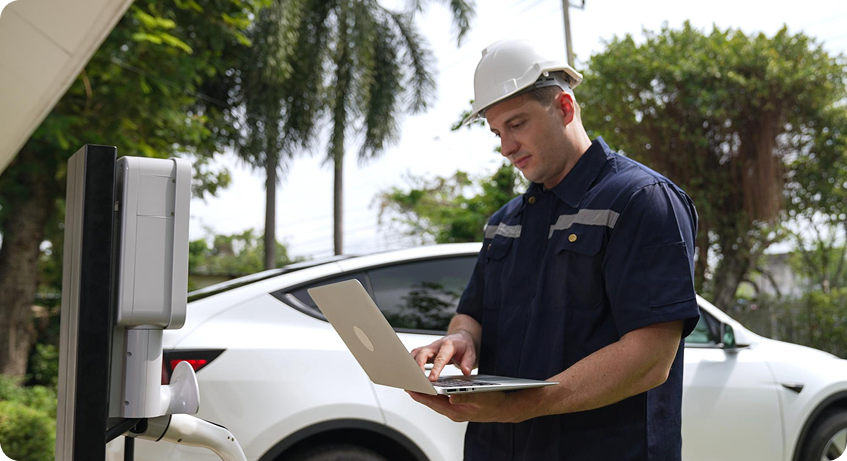
And the timing couldn’t be better. With electric vehicle (EV) adoption accelerating in South Africa, homeowners are increasingly pairing solar installations with EV charging infrastructure. Charging a vehicle from your own solar array costs a fraction of what you’d pay from the grid or at a petrol station. For households driving regularly, that represents substantial additional monthly savings.
Off-grid doesn’t mean off-comfort. It means control, predictability, and freedom from an unreliable grid.
Why 2026 Is the Year to Make the Switch
The convergence of rising grid costs, falling solar technology prices, and improved financing options has created a rare window of opportunity.
Government incentives remain in place. The solar tax rebate allows individuals to claim a percentage of solar PV system costs back on their tax returns. Combine that with 0% VAT on solar components and the financial case becomes undeniable.
Installation timelines have also improved. At Winelands Solar, we’re completing residential hybrid systems in as little as one day, with full SSEG registration, COC compliance, and warranty support included. No lengthy delays. No hidden costs. Just swift, professional installation backed by a decade of Solar Excellence.
The question isn’t whether solar makes sense. It’s whether you’re ready to stop paying for someone else’s infrastructure failures and start investing in your own energy future.
Ready to take control of your energy costs? Let Winelands Solar design a system tailored to your home, business, or farm – and start saving from day one. Get your free, no-obligation quote today.