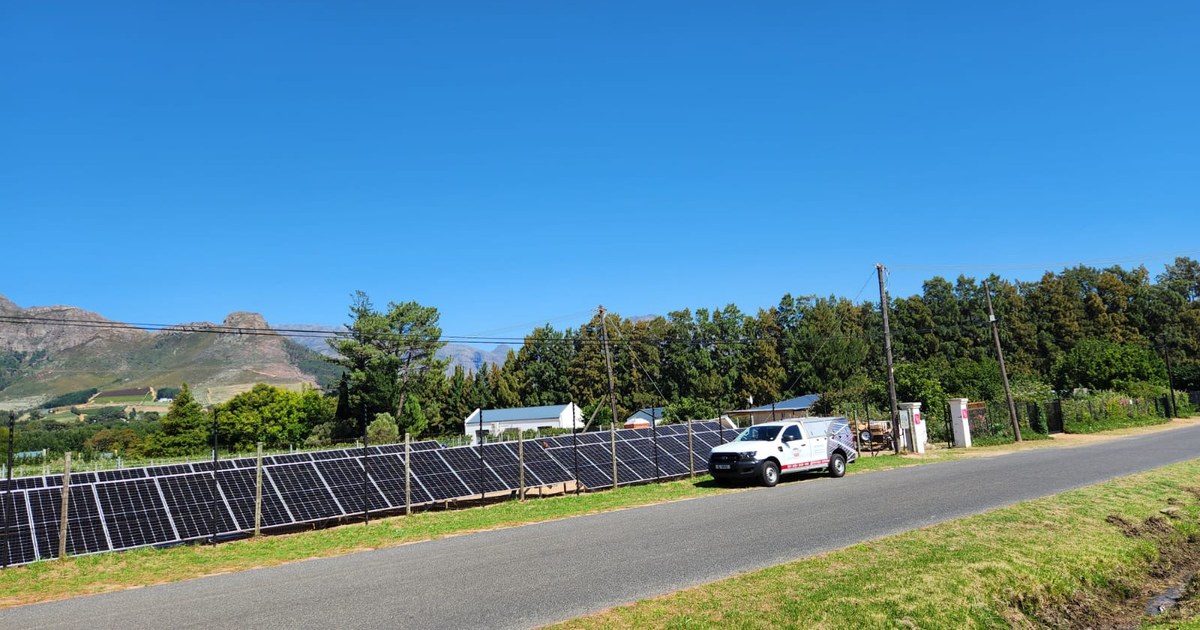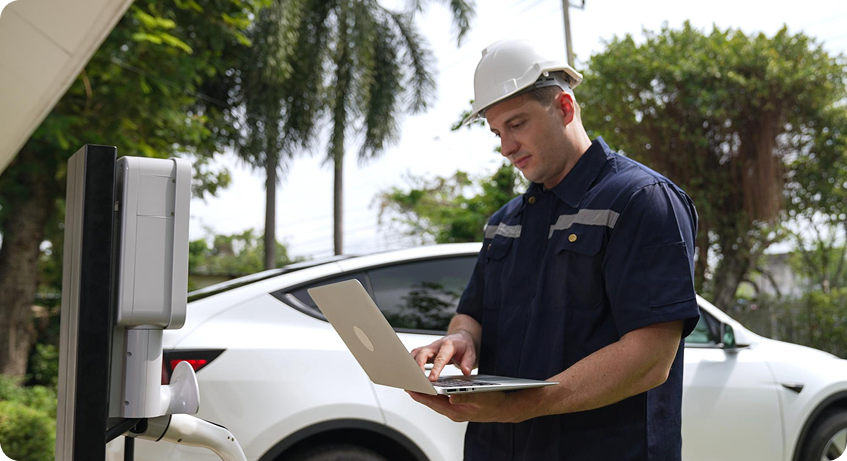

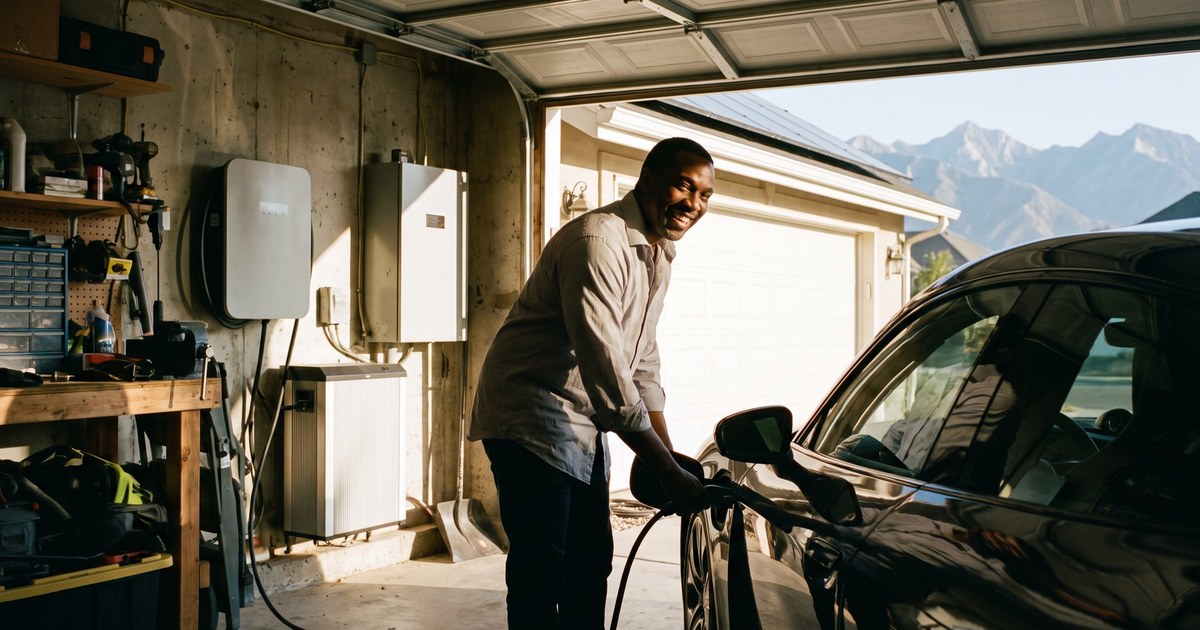
South Africa registered 4,200 new electric vehicles in the first half of 2026 alone. That is a 78% jump over the same period last year, according to the National Association of Automobile Manufacturers. Meanwhile, electricity tariffs climbed another 12.6% in April. These two forces are colliding in Western Cape driveways, and the result is a complete rethink of how households size their solar installations.
For years, solar quotes focused on replacing grid consumption for lights, appliances, and geysers. EV ownership flips that calculation. A single electric sedan adds roughly 300 to 400 kilowatt-hours per month to a household’s energy demand. The solar system you installed three years ago may no longer cover your usage once you plug in an EV every evening.
Why EV Charging Loads Outpace Traditional Household Consumption
A typical Western Cape home without an EV uses between 600 and 900 kWh per month. Add a mid-range electric vehicle driven 1,500 kilometres monthly, and total consumption jumps to 1,200 kWh or more. That single addition represents a 50% increase in electricity demand.
Charging an EV from the grid at current Eskom rates costs around R3.65 per kWh during peak periods. Over a year, that translates to roughly R13,100 in added electricity costs for moderate driving. Municipal time-of-use tariffs in Cape Town now penalise evening charging with rates exceeding R7 per kWh during winter peak windows.
Solar changes the equation. Generating your own daytime power drops the effective cost per kWh to below R0.80 once the system pays for itself. As a result, households planning EV purchases are now upsizing their solar arrays from the start rather than retrofitting later.
How Dual Electrification Reshapes Solar System ROI
Installing a solar system sized for both home and vehicle delivers faster payback than grid reliance or a patchwork approach. A 10 kW system with 20 kWh of battery storage can cover a household’s baseload and charge an EV during off-peak afternoon hours when solar generation peaks.
That setup typically costs between R280,000 and R320,000 fully installed in the Western Cape, including inverter, panels, batteries, and SSEG registration. Without solar, the same household would spend approximately R40,000 annually on grid electricity and EV charging combined. The system pays for itself in under nine years, and every year beyond that represents pure savings.
Compare that to a smaller 5 kW system installed before EV ownership. Retrofitting another 5 kW later means duplicate costs for installation labour, electrical work, and compliance certificates. Staged expansion adds 15% to 20% to total project costs compared to a single right-sized installation.
Battery storage becomes non-negotiable once an EV enters the picture. Charging a vehicle during evening hours from stored solar energy avoids peak tariffs entirely. Western Cape households with time-of-use meters report monthly grid bills dropping by 70% or more after adding batteries to their solar systems.
Spring 2026 Trends in Western Cape Solar and EV Adoption
The Western Cape leads South Africa in both solar installations and EV registrations. Data from the South African Photovoltaic Industry Association shows the province accounted for 41% of residential solar capacity added nationwide in 2025. Electric vehicle sales in the Western Cape grew 89% year-on-year through August 2026, driven by falling import costs and expanded charging infrastructure.
This dual adoption trend is visible in solar consultation requests. Three years ago, the typical enquiry asked for a system to offset loadshedding and reduce grid dependence. Today, the first question from prospective clients is often whether the proposed system can handle an EV they plan to purchase within 18 months.
Winelands Solar now designs every residential quote with future EV charging in mind, even if the household does not yet own an electric vehicle. That approach future-proofs the installation and avoids costly upgrades. Panel arrays are configured with expansion capacity, and inverter sizing accounts for the additional 7 to 11 kW draw an EV charger introduces.
Spring in the Western Cape delivers ideal conditions for commissioning new solar systems. Longer daylight hours mean clean panels generate maximum output from day one, accelerating the payback timeline. Households installing systems in October benefit from five months of peak summer generation before the next winter arrives.
What This Means for Your Next Solar Investment
If you are considering an electric vehicle within the next two years, size your solar system now to accommodate both. Undersizing saves money upfront but costs significantly more over the system’s 25-year lifespan. A properly scaled installation eliminates range anxiety, removes dependence on expensive public charging networks, and cuts your transport costs by as much as 60% compared to petrol.
Work with an installer who understands SSEG compliance for higher-capacity systems. Municipal registration requirements differ for systems above 10 kW, and the approval process in Cape Town currently takes eight to twelve weeks. Planning ahead avoids delays when you are ready to bring an EV home.
Battery storage should be part of the conversation from the start. Lithium iron phosphate batteries now carry 10-year warranties and 6,000-cycle lifespans, making them a sound long-term investment. Pairing storage with solar ensures you charge your vehicle from your own power rather than pulling from the grid after sunset. It is the right solar system for EV charging.
Take the Next Step Toward Energy and Transport Independence
Winelands Solar designs integrated systems for Western Cape households ready to electrify both their homes and their driveways. Our team conducts site assessments from Stellenbosch to Somerset West that account for roof capacity, shading, future EV loads, and municipal compliance requirements. Every installation includes full SSEG registration, a Certificate of Compliance, and a 3-year workmanship warranty.
Contact us today for a no-obligation consultation. Let us show you how the right solar system turns an electric vehicle from an added expense into a platform for long-term savings and energy independence.
Sources
- National Association of Automobile Manufacturers of South Africa (NAAMSA). (2026). New Vehicle Sales Report H1 2026. naamsa.net
- South African Photovoltaic Industry Association (SAPVIA). (2025). Residential Solar Capacity Report 2025. sapvia.co.za
- City of Cape Town Electricity Department. (2026). Time-of-Use Tariff Schedule 2026/2027. capetown.gov.za
- Eskom. (April 2026). Standard Tariff Schedule. eskom.co.za/distribution/tariffs-and-charges