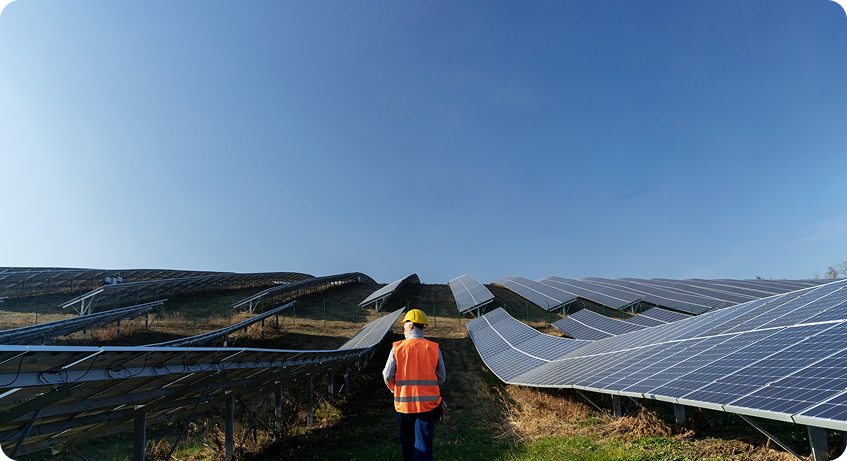


October is a critical time for solar households in the Western Cape. As winter ends, a layer of dust and pollen can significantly reduce solar panel output. With longer spring daylight, panels should be at peak production, but dirt can cost households thousands in lost energy.
Most solar installations around Stellenbosch are not clean enough to capture the full potential of spring sunlight. Spring panel cleaning is a high-return maintenance task. It is not just cosmetic, but a necessary step for optimal operation.
Why Spring Timing Matters for Solar Performance
Winter in the Western Cape leaves a unique mix of contaminants: dust from dry July winds, pollen from September blossoms, and residue from coastal salt spray. These can block sunlight from reaching the photovoltaic cells. Research by the National Renewable Energy Laboratory shows even a light dust coating can reduce panel efficiency by 5 to 15 percent. In Cape Town’s coastal microclimate, losses can reach 20 percent by early October.
A 10 kW residential system generating 1,400 kWh per month in spring could lose 280 kWh to dirty panels. At current Eskom tariffs averaging R2.50 per kWh, this is R700 in lost savings every month. Over spring and summer, the cost of inaction can exceed R4,000.
The Western Cape’s longest daylight windows are in October and November, before the summer solstice. If panels are not clean then, households waste their system’s highest-yield season.
How to Clean Solar Panels Safely and Effectively
Cleaning solar panels does not require professional equipment for most residential rooftops. But safety and technique are crucial. Scratched glass or improper rinsing can cause more harm than dust.
The best time to clean is early morning or late afternoon, avoiding midday heat. Cold water on hot glass can cause microfractures, and soap can dry too quickly in direct sun, leaving light-blocking streaks.
Use soft brushes, microfibre cloths, or a low-pressure garden hose. Avoid abrasive sponges and high-pressure washers, which can scratch the anti-reflective coating. Most manufacturers void warranties for damage from improper cleaning.
Plain water is best. For stubborn stains, mix a small amount of biodegradable dish soap with water and rinse thoroughly. Residue attracts dust faster than a clean surface, undoing the work within days.
If the roof pitch exceeds 30 degrees or the installation is above a single storey, call a professional. A professional clean costs between R500 and R1,200, which is negligible compared to medical bills or a damaged array. This is especially true when considering the benefits of spring panel cleaning.
Spring Panel Cleaning and the EV Charging Surge
South Africa’s electric vehicle adoption is accelerating. The National Association of Automobile Manufacturers reported a 340 percent year-on-year growth in EV sales in the Western Cape in September 2026. Thousands of households now charge vehicles at home, adding 300 to 500 kWh per month to their consumption.
A clean, optimally performing solar array can significantly reduce grid draw and monthly costs. Spring panel cleaning ensures the system delivers its rated capacity during the long, sunny days from October through March.
This cleaning also future-proofs the return on investment. Solar panels degrade at roughly 0.5 percent per year under normal conditions. Chronic dirt accumulation can accelerate this decline by creating hot spots where shaded cells overheat. A twice-yearly cleaning schedule, anchored in spring and autumn, protects both current yield and the system’s 25-year lifespan.
When to Call a Professional for Panel Maintenance
Not every spring requires a DIY scrub. Some installations need professional attention, and October is the ideal month to book it. Commercial and agricultural arrays, often spread across multiple roof planes or ground mounts, are impossible to clean safely without harnesses and scaffolding.
Bird nesting is another red flag. If there are signs of Cape sparrows or pigeons under the panels from winter, a professional is needed to remove debris, inspect for damage, and install bird-proofing mesh.
If the monitoring system shows output drops exceeding 10 percent compared to last spring, cleaning alone may not solve the problem. A professional diagnostic, combined with spring panel cleaning, ensures the issue is properly addressed.
Take Action Before November’s Peak Demand
Spring in the Western Cape is short. By mid-November, temperatures climb and air conditioning loads spike. Every kilowatt-hour that panels fail to generate costs more.
Book your spring panel cleaning now. If comfortable on the roof and the system is accessible, set aside two hours this weekend. If not, contact a certified solar maintenance provider before the October rush begins.
At Winelands Solar, comprehensive panel cleaning and system health checks are offered for residential, commercial, and agricultural clients across Stellenbosch, Paarl, and the broader Boland region. The teams use deionised water, soft-bristle brushes, and safety-certified equipment to restore systems to peak performance without voiding manufacturer warranties.
Clean panels mean lower bills, longer system life, and the energy independence you invested in. Get in touch today, and let the experts help you get the most from your solar system through a proper spring panel cleaning.
Sources
- National Renewable Energy Laboratory (NREL). (2025). Effects of Soiling on Photovoltaic Systems.
- National Association of Automobile Manufacturers of South Africa (NAAMSA). (September 2026). Electric Vehicle Sales Report. naamsa.net
- Eskom. (2026). Tariffs and Charges, municipal and residential rates. eskom.co.za/distribution/tariffs-and-charges